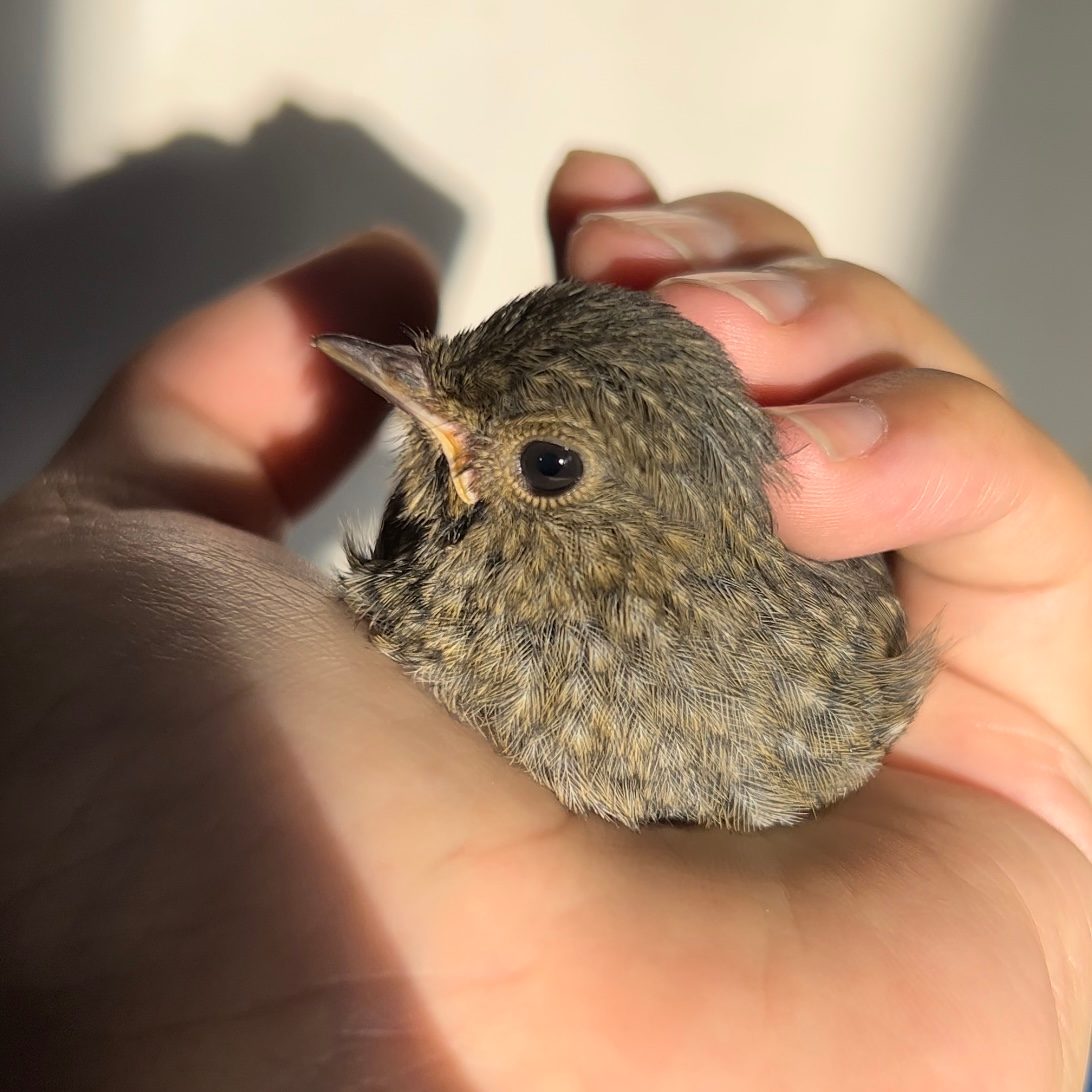
For me, 2023 felt like a long, dull year. The main reason could be summed up as "regressing with the times": I got caught in Hong Kong's fifth wave of COVID-19 and was rewarded with nearly a year of long COVID. Fatigue and forgetfulness, disordered sleep, an erratic heart rate, inflammation flaring up all over... Add the knee injury from overdoing it in '21, and all I could do was gaze at the mountains and sigh. So the theme of the whole year was, pretty much, "hunkering down". That is reflected directly in this year's photo memories: there doesn't seem to be much to remember.
Still, picked over carefully, the beautiful moments I caught in daily life are worth a ladleful. And as you are about to see, everyday as they are, they are also ever-changing.
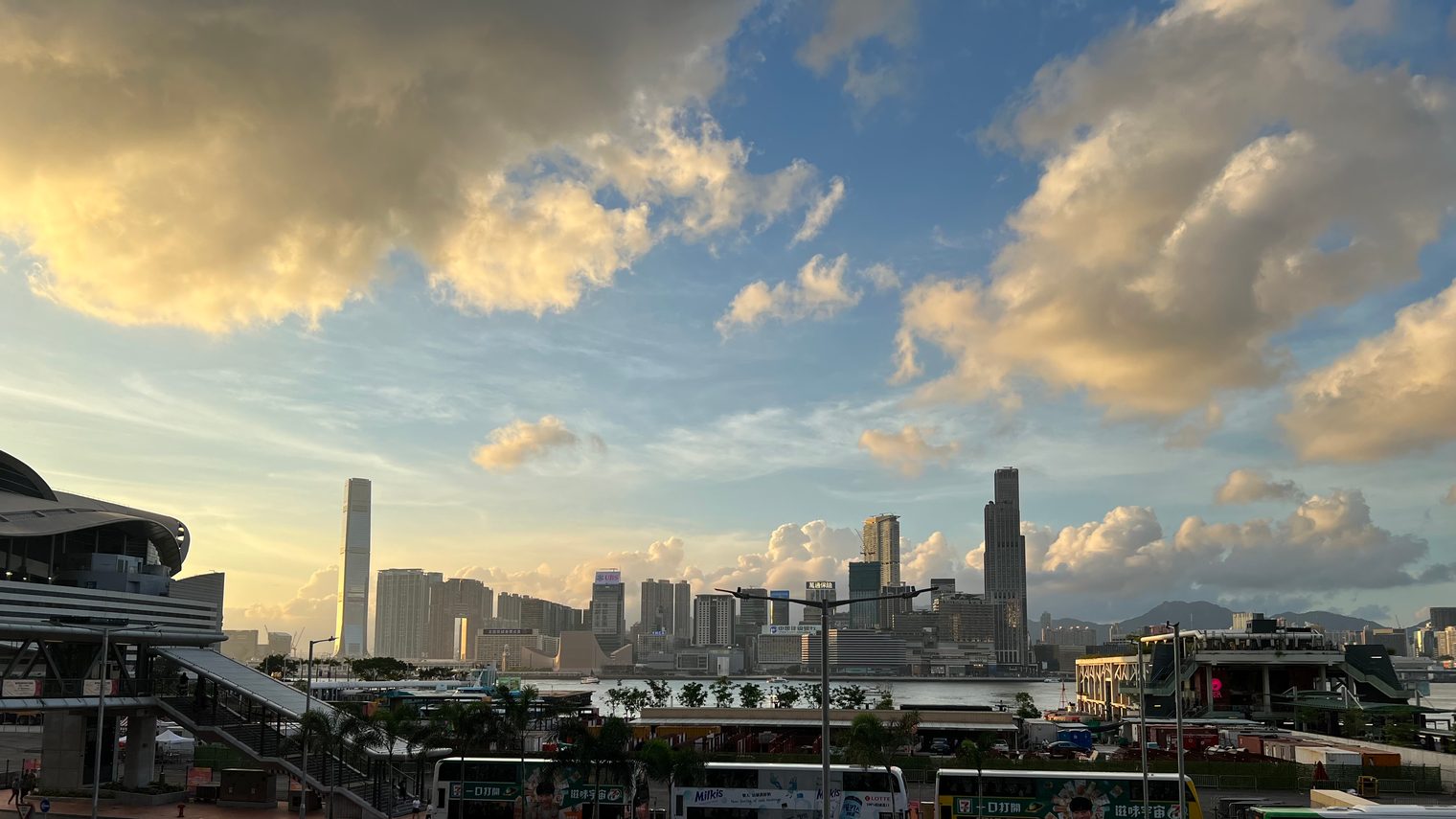
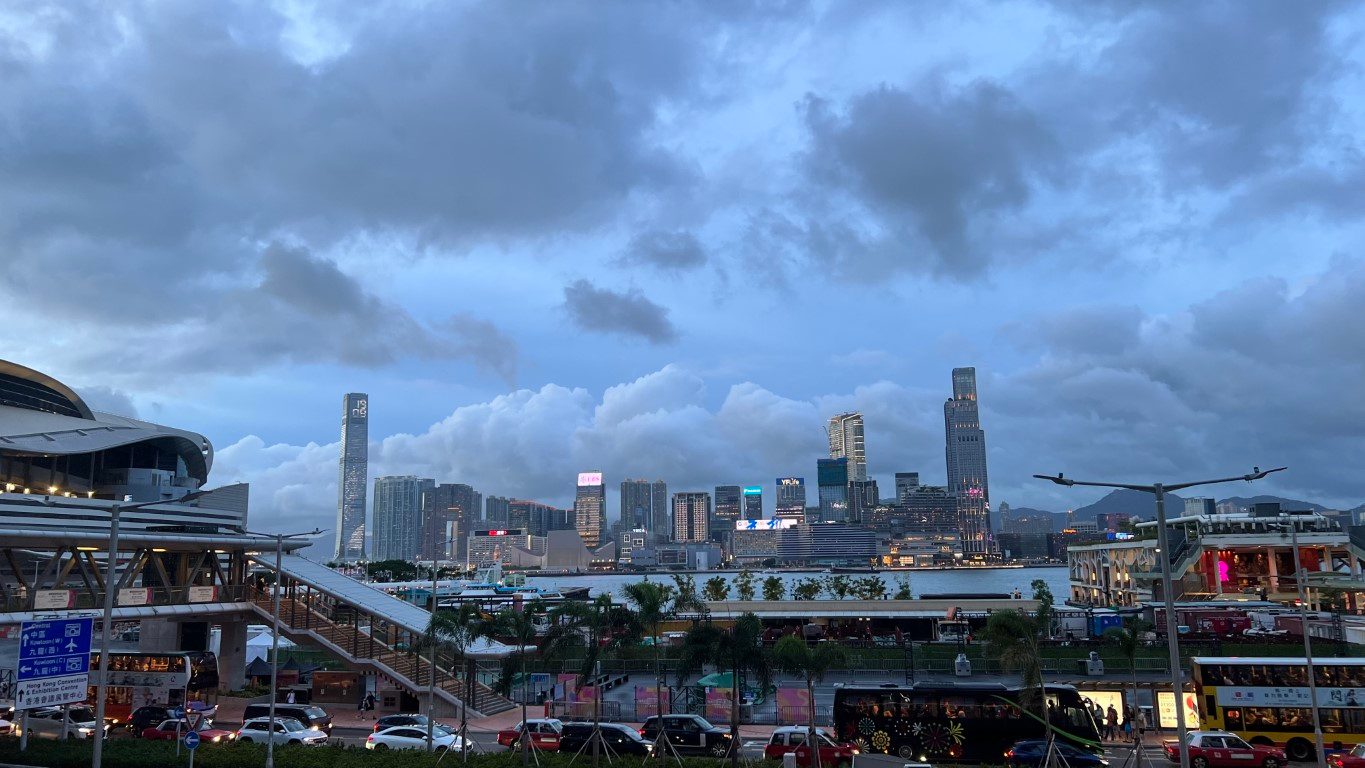
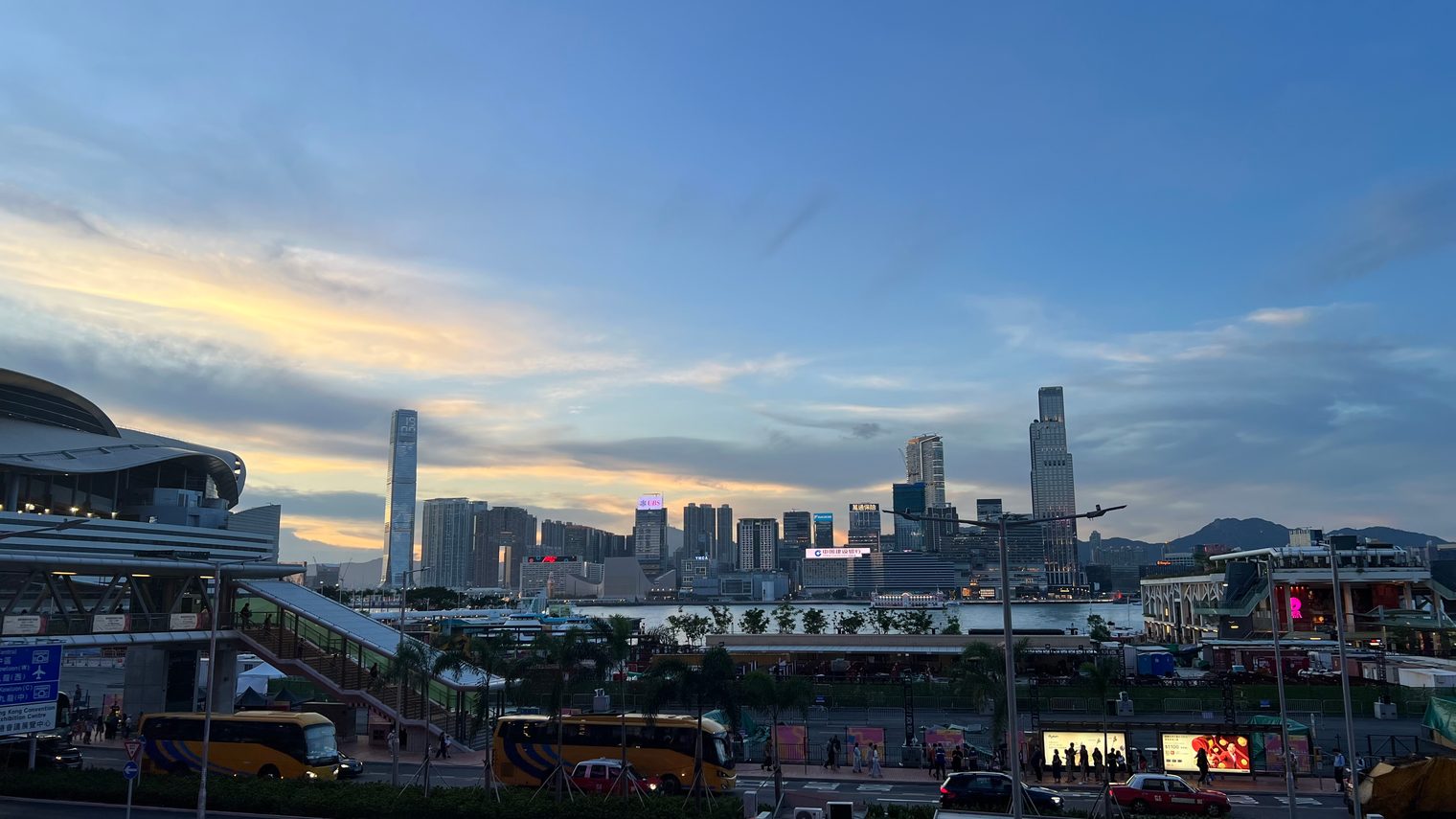
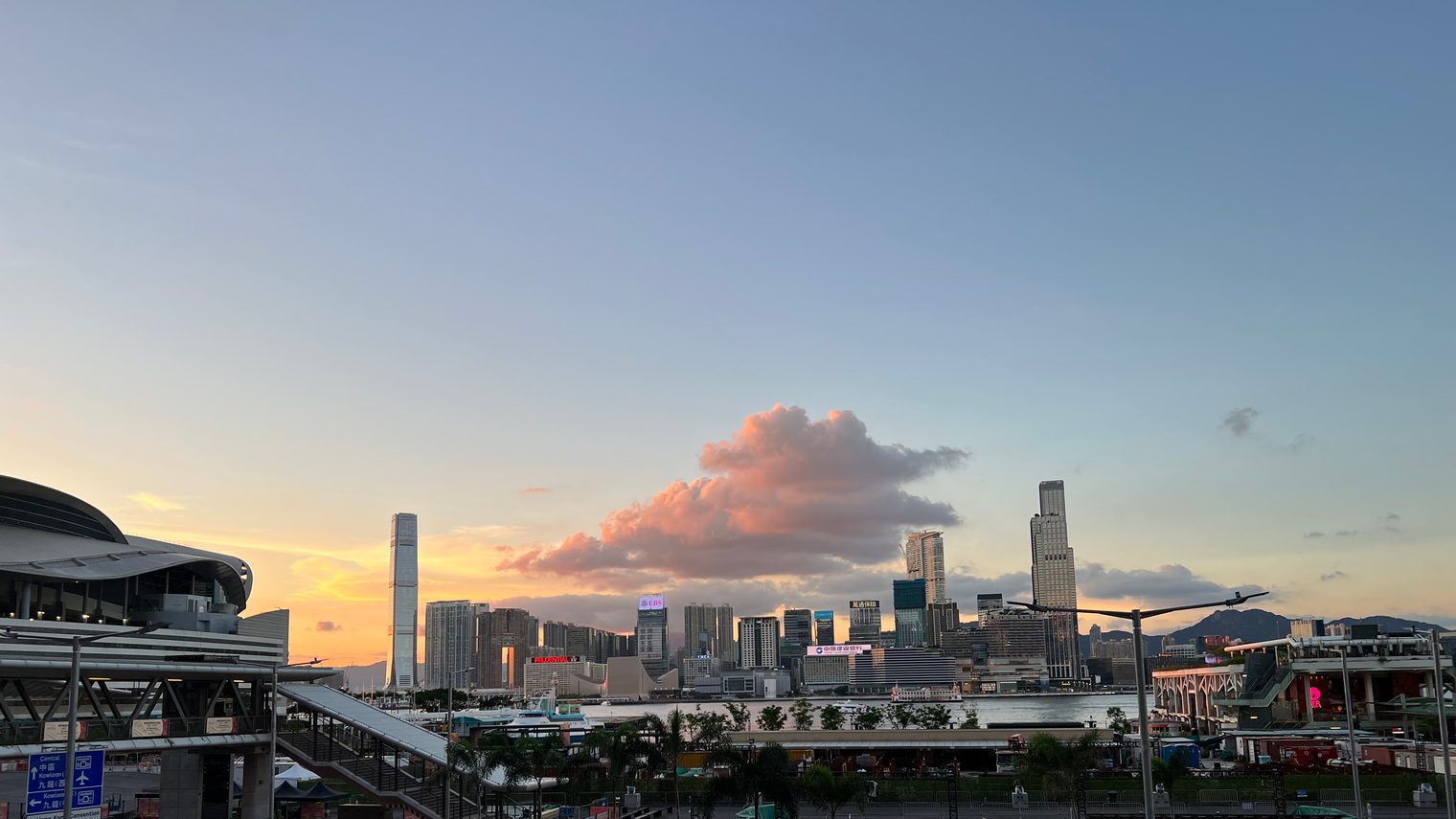
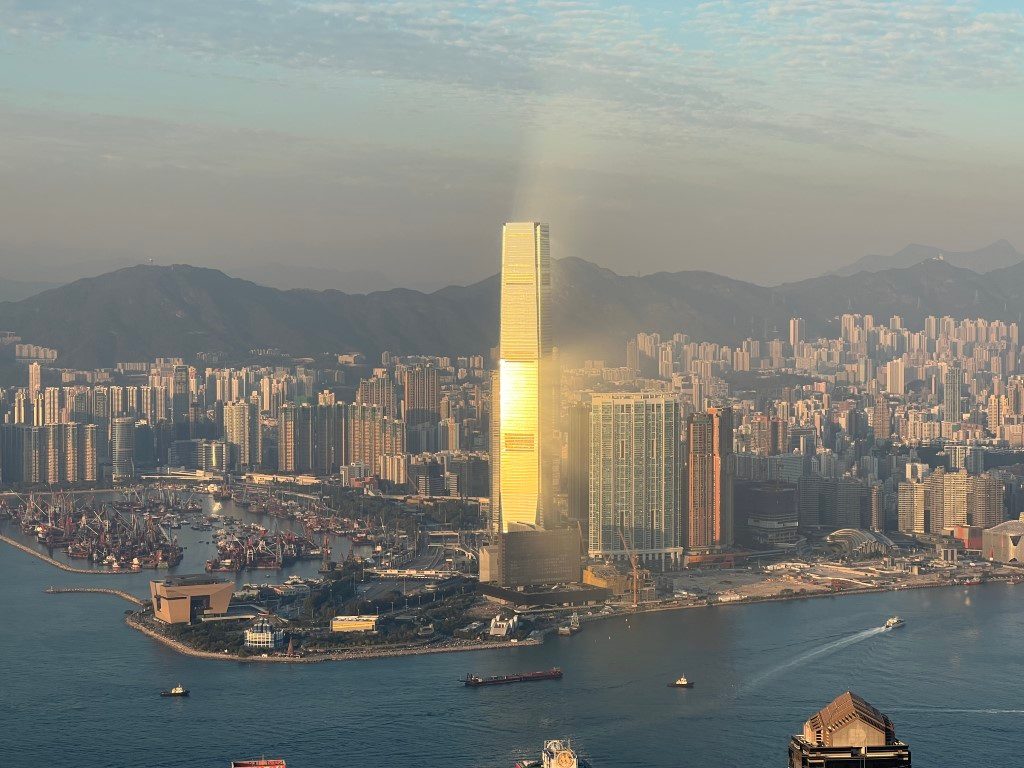
Victoria Harbour
Taken on my way to swim every Wednesday. Come out of Exhibition Centre station, don't rush to turn left, take a few steps to the right, and you reach this spot. A friend complained about that rather unsightly lamp post. I suppose AI could probably remove it these days, but as long as the mind's eye is unobstructed, this little obstruction is nothing.
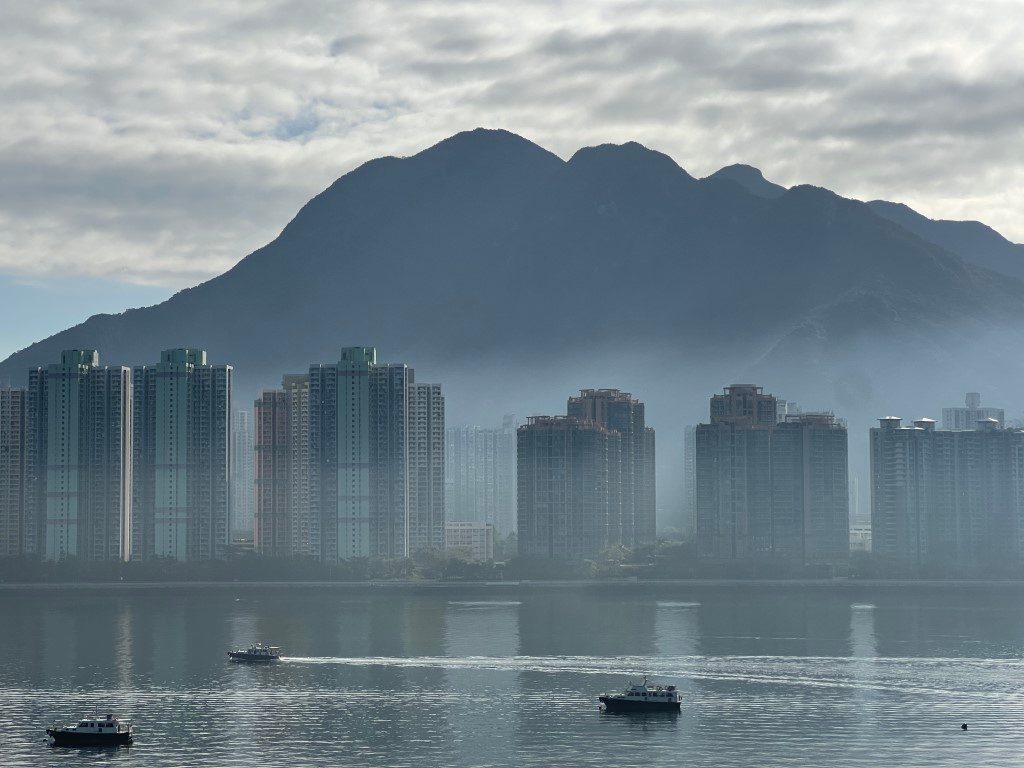
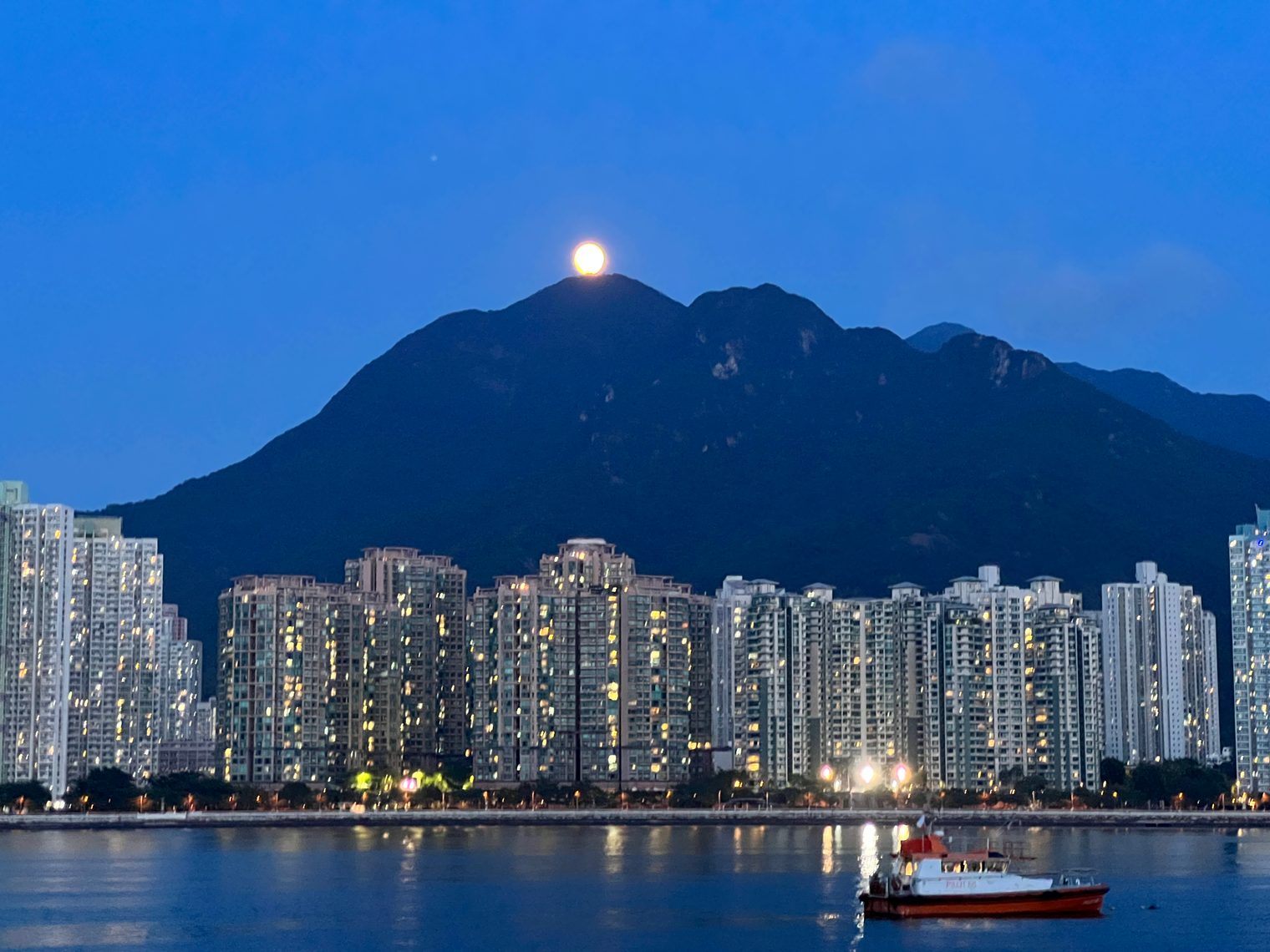
Ma On Shan
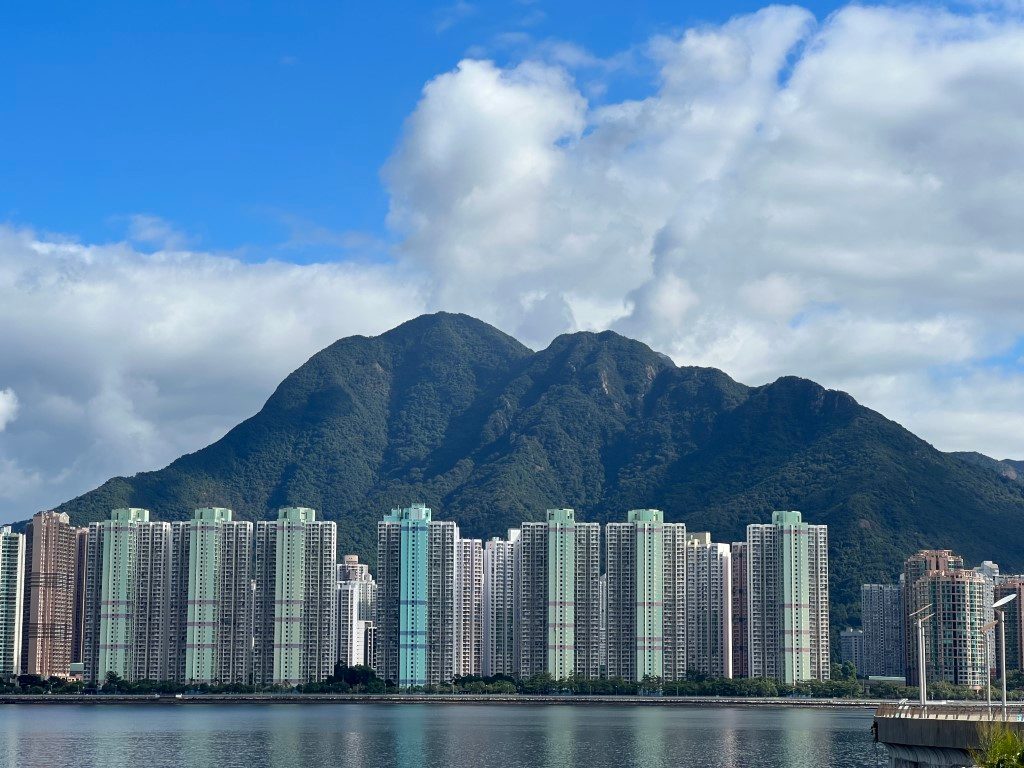
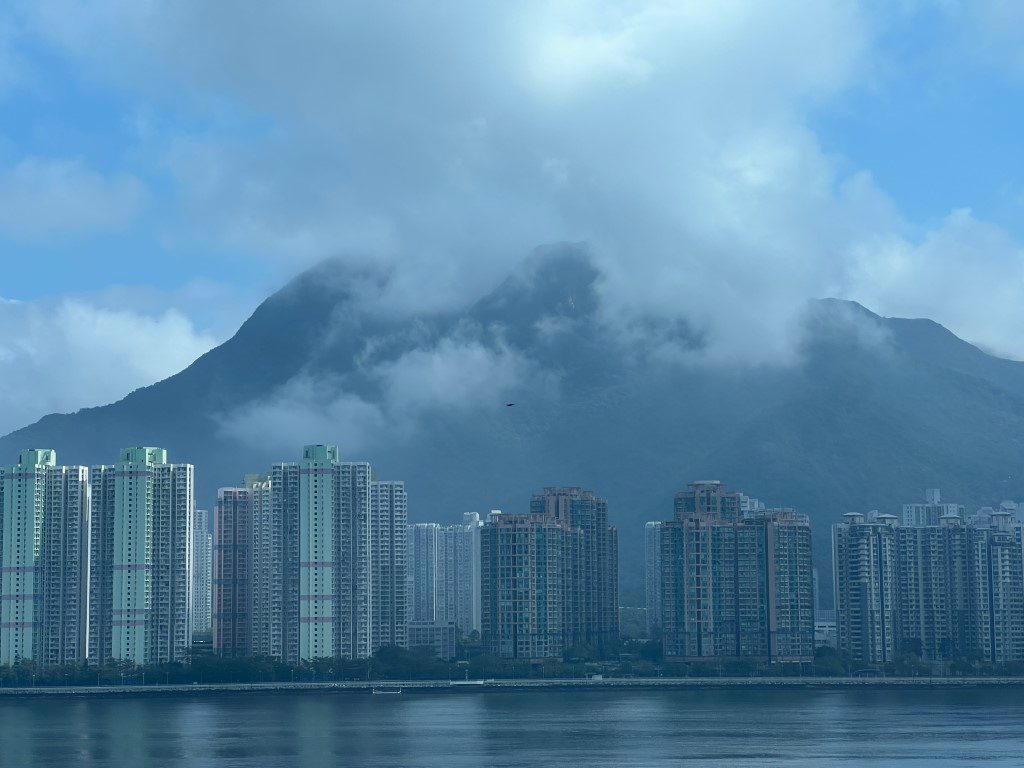
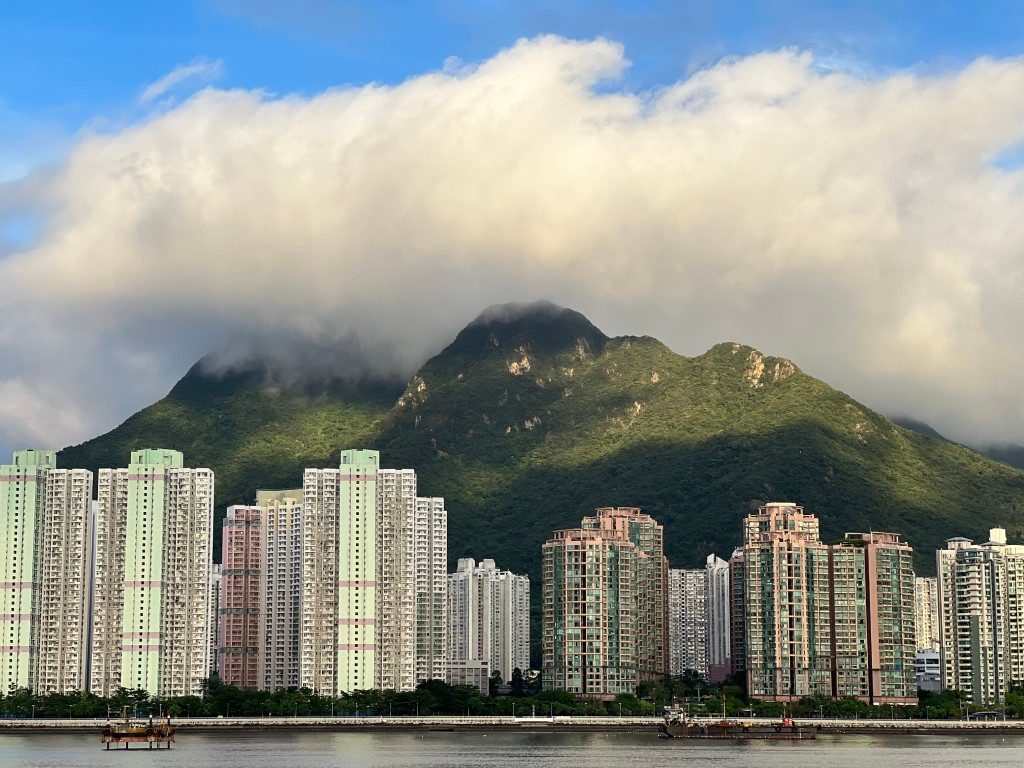
At the end of '22 I changed jobs and came to the Science Park. I put up with a long commute for a year, and at the start of '24 I finally moved here. The waters of Tolo Harbour, with Ma On Shan and the Pat Sin Leng range in the distance, are sights that can console the heart. At lunchtime or in the evening, when I have a moment, I look out into the distance and my heart settles.
Dusk
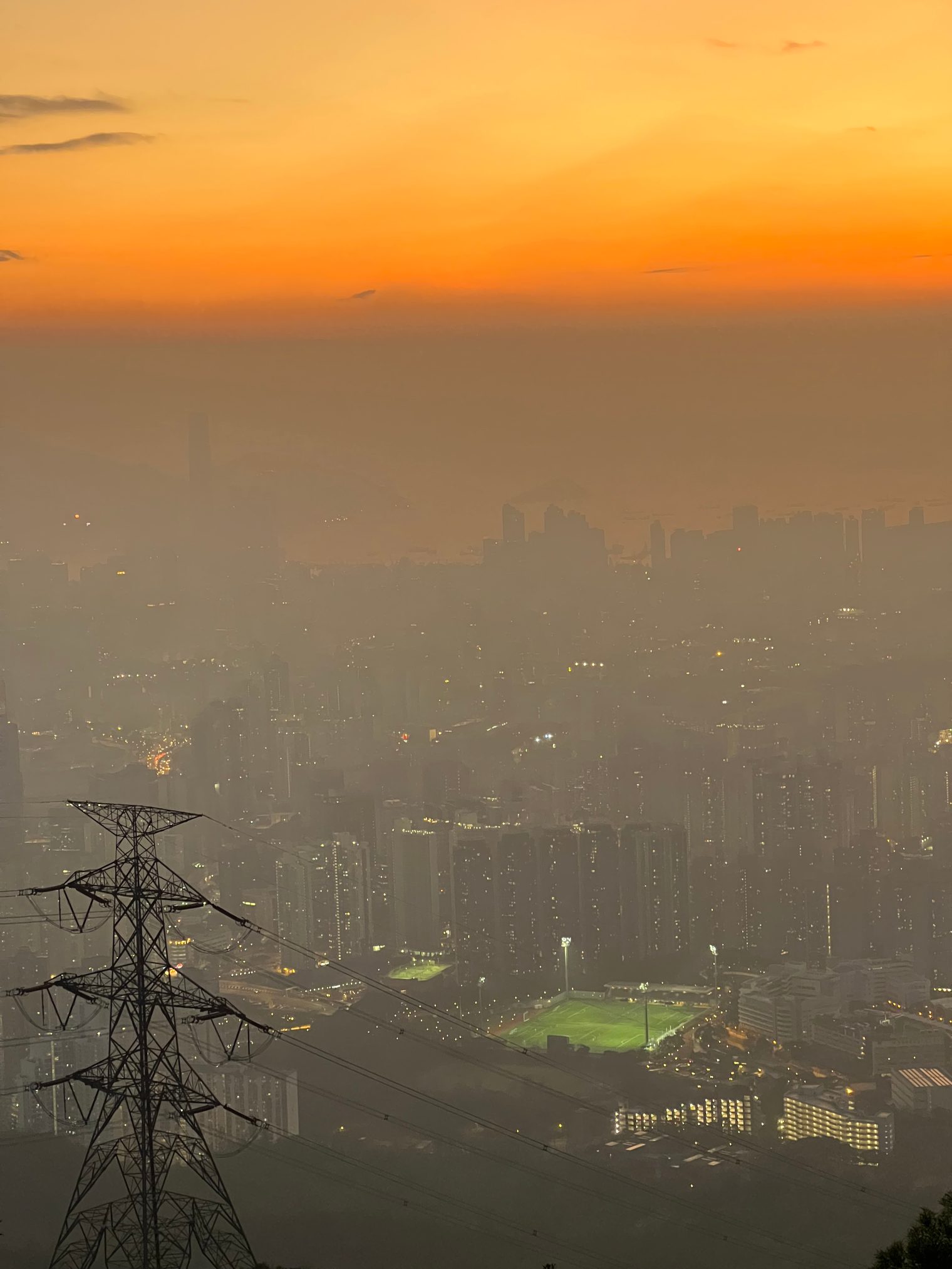
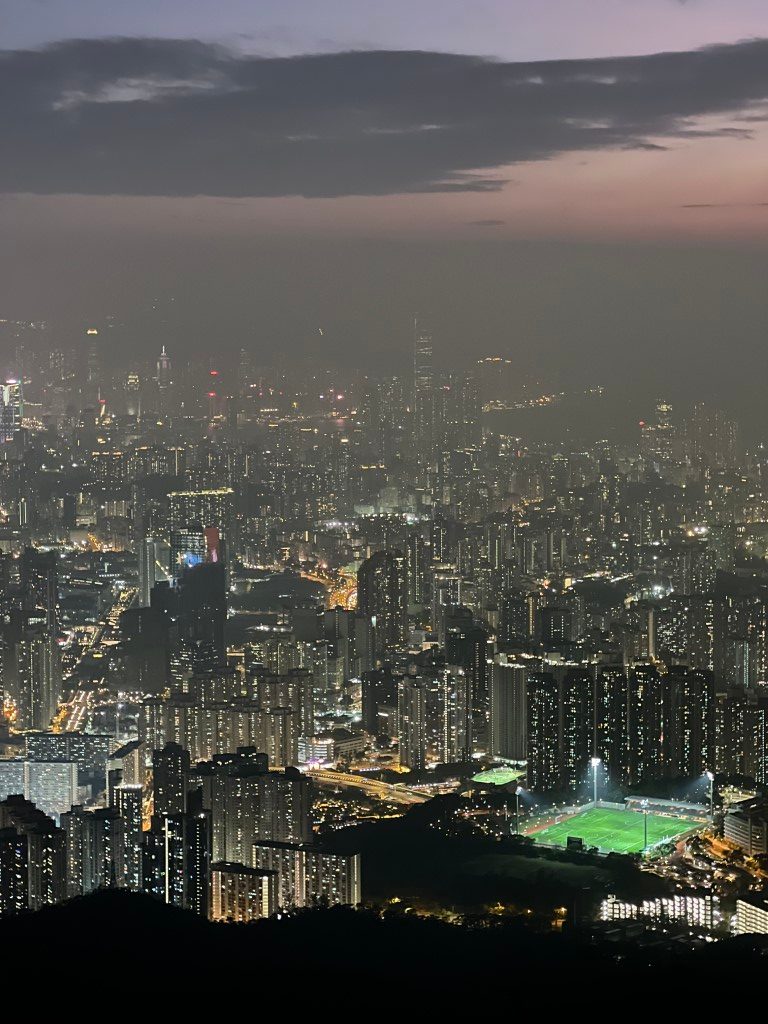
Dusk is my favourite time of day. The daily cycle and the yearly cycle correspond astonishingly well. Why? The sun, and rotation. Dusk must correspond to autumn: the border between yin and yang, half of the circle of the terminator. The sun sinks toward the horizon, faster and faster; its light shifts from white toward the yellow and red end, and grows dimmer and dimmer. But if the weather allows, for a while the sun is more striking than in the daytime, so striking that we are willing to call it "glorious". The setting sun is infinitely fine, as the Tang poet said, but only for an instant.
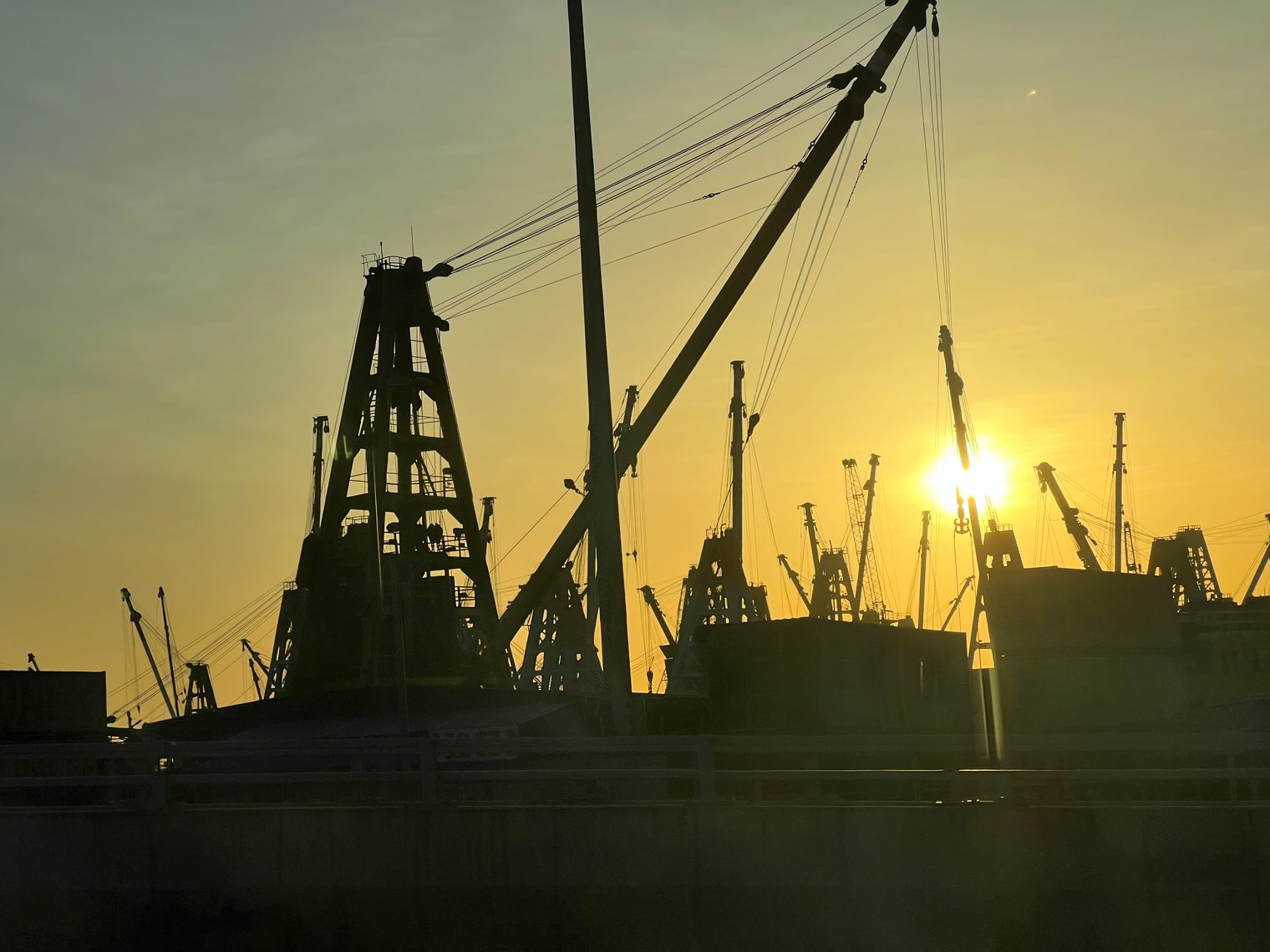
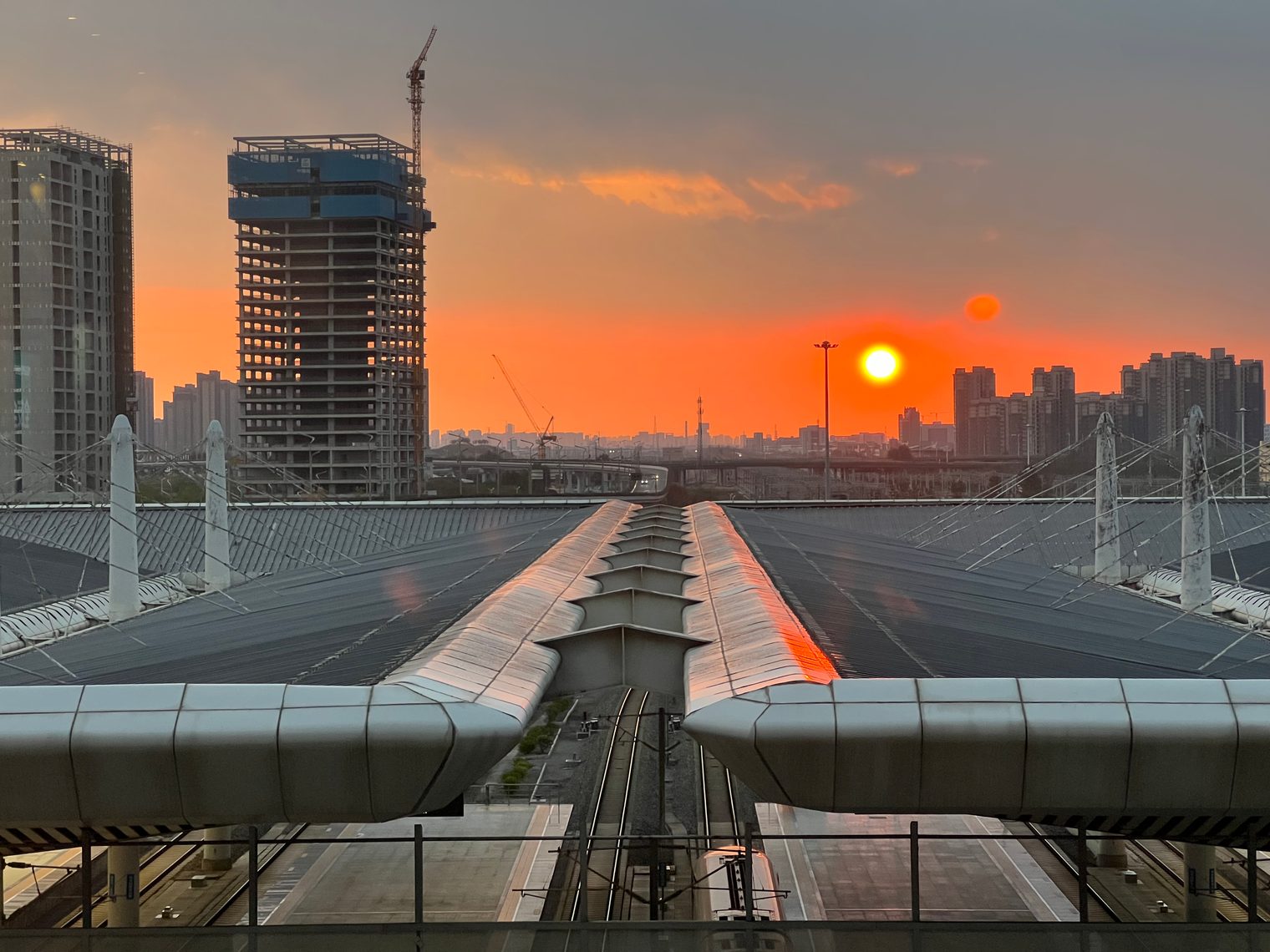
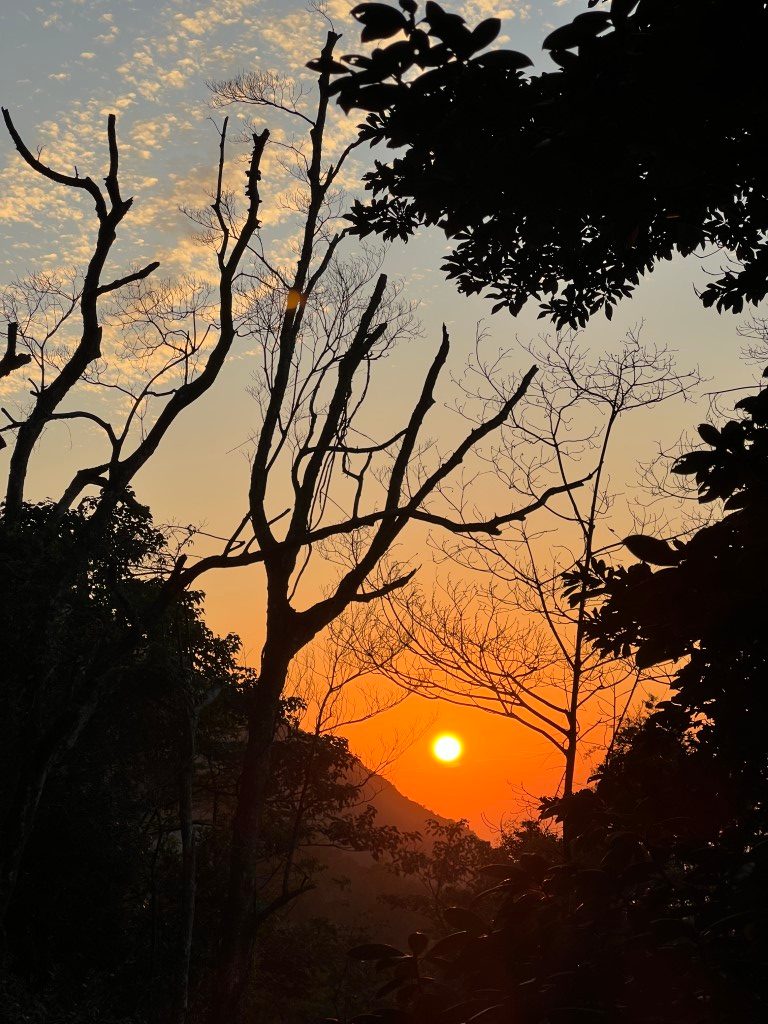
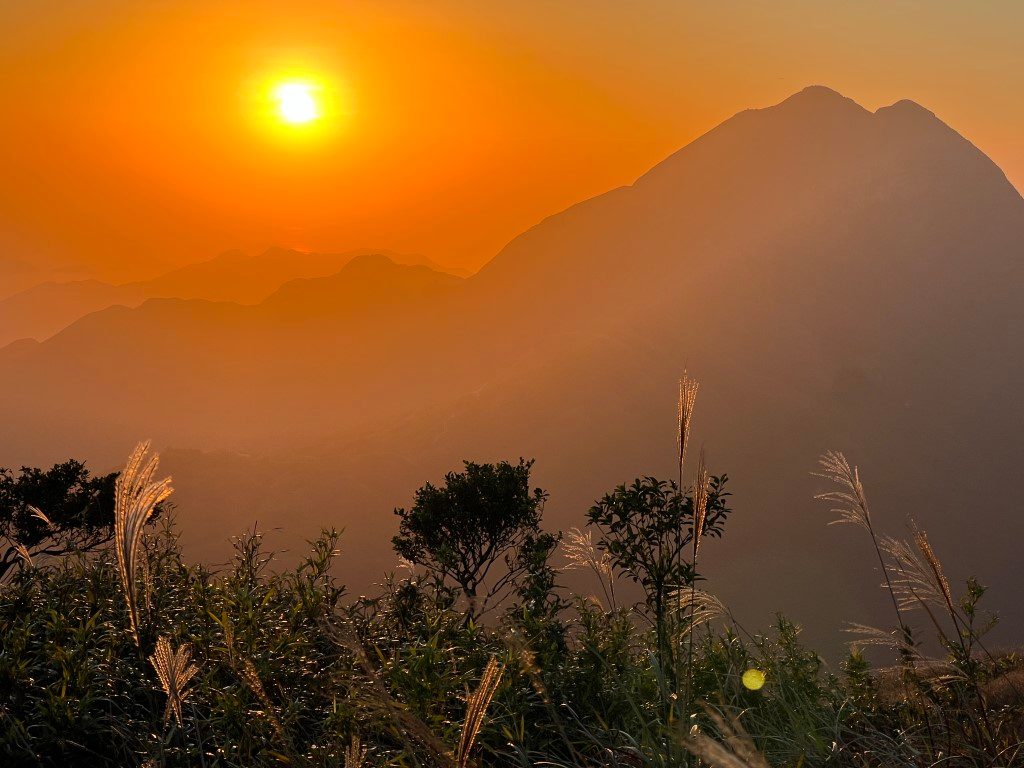
Then day hands over to night, abundance to stillness, life to death. In The Three-Body Problem, Ye Wenjie sighs, "This is the sunset of humankind", while an unfeeling physicist would scoff, "The sunset of half of humankind is also the sunrise of the other half." So at a sunset some time later, I simply rewrote it as "This is the sunset of humankind in UTC+8." Imagine that semicircle, twenty thousand kilometres long, sweeping across the Earth, across the face of everyone who looks up at the sunset. On one side of the line are bright azure, emerald green, ice white and earthy yellow; on the other, a darkness perhaps dotted with stars. And at the far end, feet to our feet, the show runs exactly the other way: from death to life, from sleep to waking, lights going out one after another as the colours come back.
Miss a sunset? It doesn't matter at all. As long as the sun has not gone out and low entropy can be kept up, this cycle, which has already run for billions of years, will not stop; you can watch it over and over until you are sick of it. But you should also remember Eason Chan's song "Sunset Is Infinitely Fine" (夕陽無限好, words by Lin Xi), on how ordinary a fine sunset is, and how the ones we see are never alike from one day to the next. And the sun will go out in the end. After that, and after the after that, until the end of space and time, will death still turn toward life?
This contradiction between the eternal and the momentary, the everyday and the extraordinary, is a romance in itself.
Life
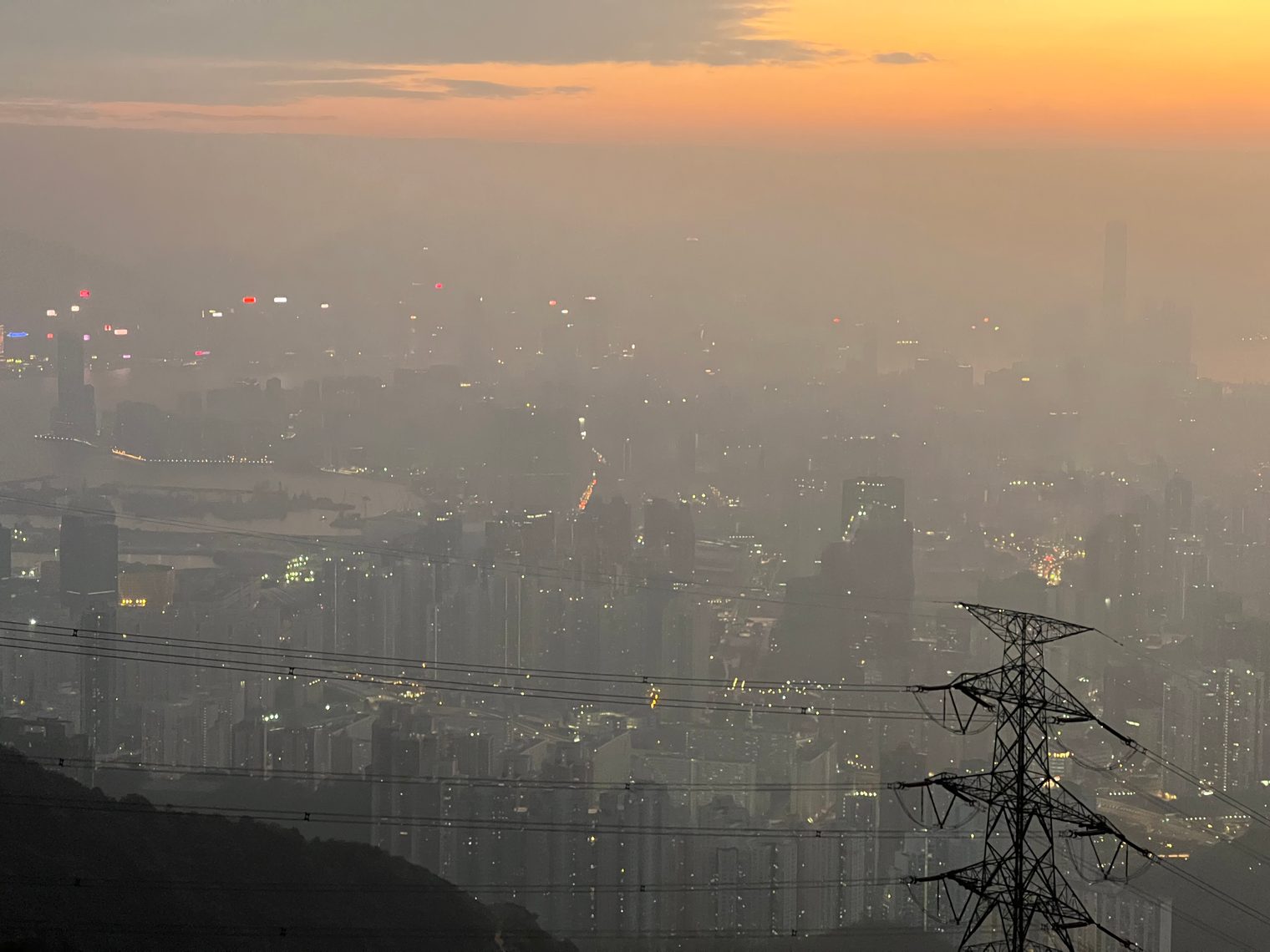
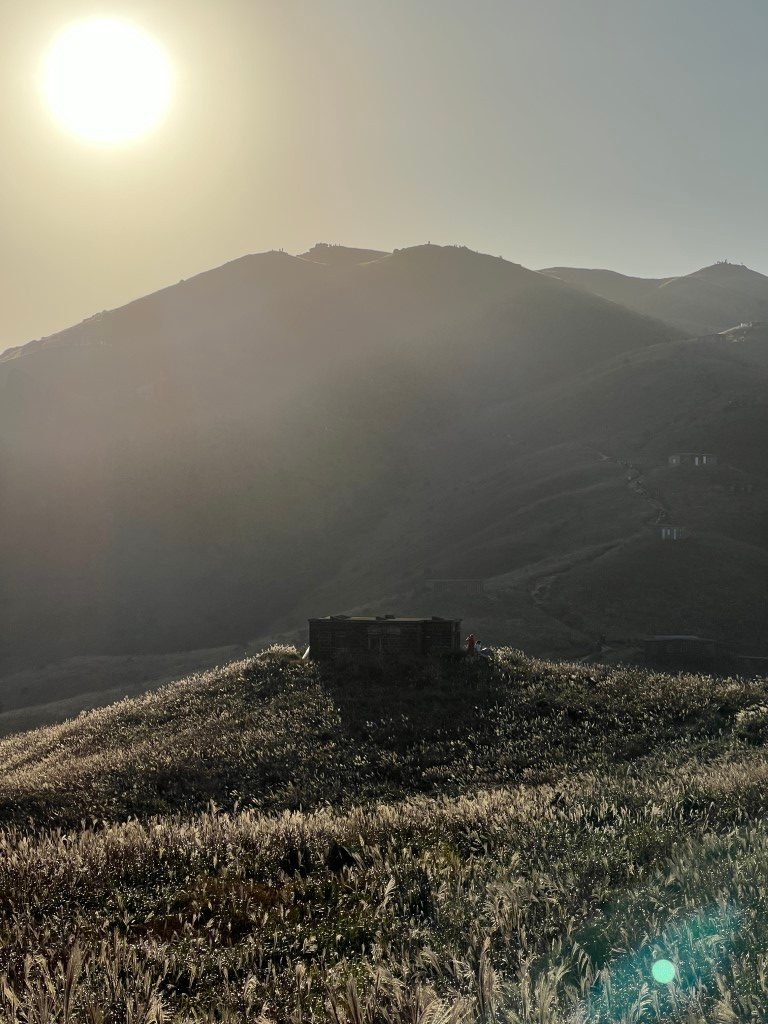
Romance on too large a scale can't help but make you dizzy. The connection between one low-entropy body and another, between one pattern and another, within a finite stretch of space and time, is tiny and ordinary. But perhaps it is the greatest meaning life can give us, even if every connection will be broken in the end and every meaning lost. Like these blades of silvergrass shining in the light: next to the winding ridge, they are so fragile.
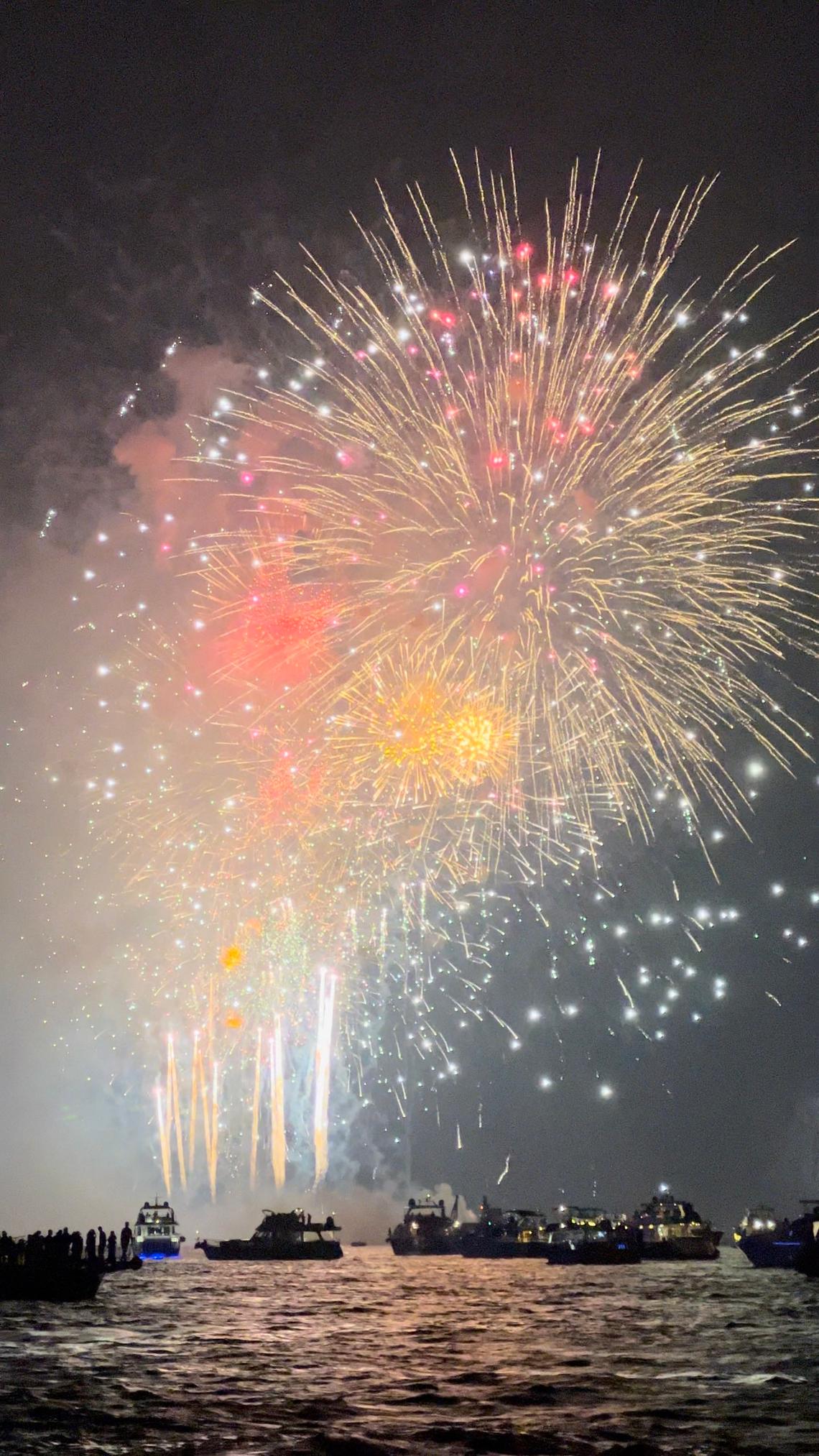
With this last photo I remember one such small connection that I have already lost, and the countless connections lost before it. I hope I can cherish every connection in the Martian way of Stranger in a Strange Land. To cherish is to dissolve into one, like water. Perhaps I am nearly there.